Are Modern Kit Lenses Actually Worth It?
Introduction
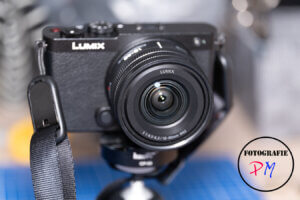 Kit lenses are usually sold together with a camera body and often offer a lower price to make it easier for beginners to get started with the respective system. These kit lenses typically cover a focal length range of 24-70 or 28-80 mm. The exception to this is the higher-quality kit lenses in most camera systems, which cover a focal length range of 24-105 mm, or in the case of Nikon, even 24-120 mm.
But in contrast to the past, the situation with kit lenses has improved considerably.
I’ve also recorded a video about this:
Lumix S5 with the 20-60mm/3.5-5.6
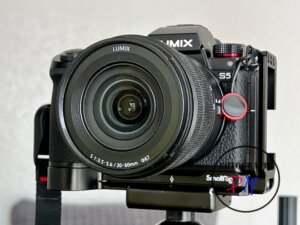 My first experience with the Lumix full-frame system was with a 20-60 mm kit lens. This was relatively unusual for a kit lens, as the focal length range was shifted into the wide-angle range and ended at 60mm. Nevertheless, it was an ideal combination, especially in conjunction with the 70-300mm lens. The 20-60mm kit lens is made of plastic to save weight and, despite its limited quality, offers usable performance at wide apertures and 20mm, which is certainly not always the case.
Lumix S9 with the 18-40mm/4.5-6.3
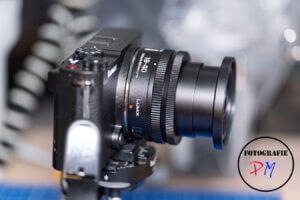 For video, I decided to buy a Lumix S9, along with the Sigma 16-28mm f/2.8 and the 18-40mm f/4.5-6.3. The Sigma 16-28mm f/2.8 lens was a disadvantage due to its limited maximum aperture of f/4.5. Despite this, I used it for filming on my last vacation, particularly in the cities of Tuscany. For video, I decided to buy a Lumix S9, along with the Sigma 16-28mm f/2.8 and the 18-40mm f/4.5-6.3. The Sigma 16-28mm f/2.8 was a disadvantage because of its relatively small maximum aperture of f/4.5. Nevertheless, I used it for filming on my last vacation, especially in the cities of Tuscany.
Lumix S1R II and the 24-105mm/4.0
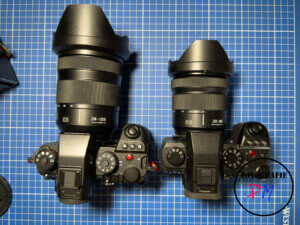 Last year, I originally only wanted to buy the Lumix S1R II body, but due to an anniversary, the combination with the 24-105mm lens was quite affordable. This lens is in a different league, as it costs around €650-700 even when combined with a camera, and around €1000 on its own. It’s larger and heavier than the 20-60mm lens, but offers a constant f/4 aperture and in-body image stabilization that can be combined with the camera’s IBS. The 24-105mm focal length range is ideal, as it covers most common focal lengths, and the lens also performs well at close range thanks to its 1:2 magnification ratio.
The comparison
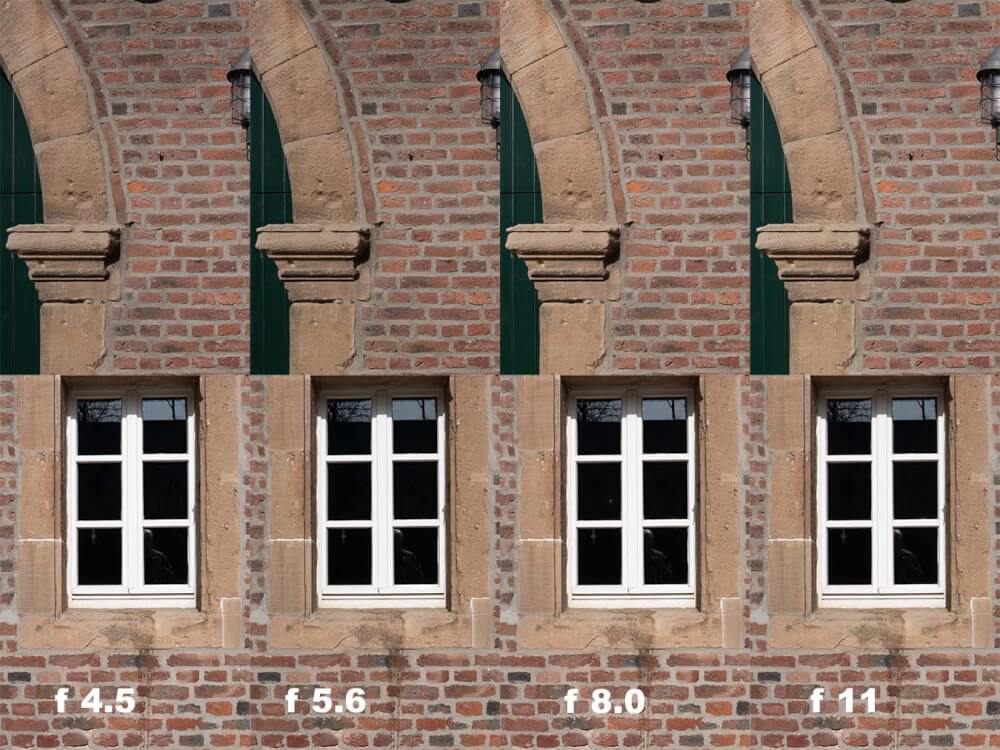
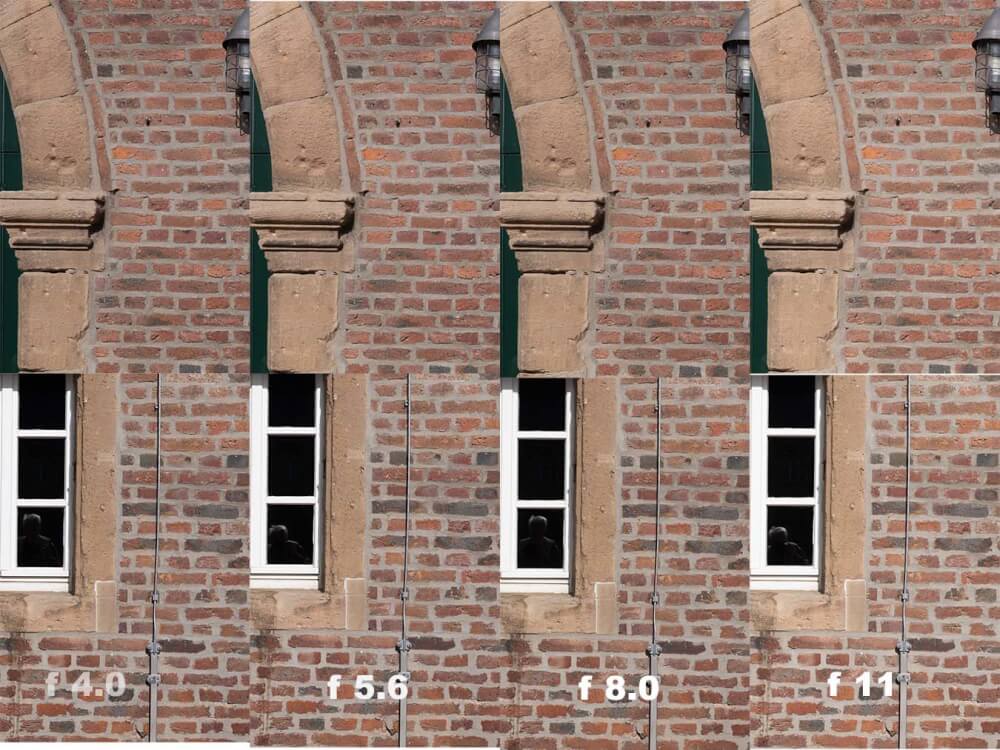
Only the 24-105mm performs slightly worse, as it shows some softening at the longer focal length of 105mm, even wide open, but it’s still at a high level. Overall sharpness across the entire image can be significantly improved with all lenses by simply stopping down one or two stops, so the kit lenses remain truly versatile despite everything.
Conclusion
These days, you can confidently choose the kit lens from the major manufacturers, which, unlike in the past, is a genuine alternative, especially if the zoom range suits your needs. Which kit lens do you have, or have you sold yours? Let me know in the comments.


