Last week review 13-2026
Weekly Review 13-2026 and unfortunately, the weather, especially towards the end of the week, feels more like winter, even though it’s almost the beginning of April ;-(
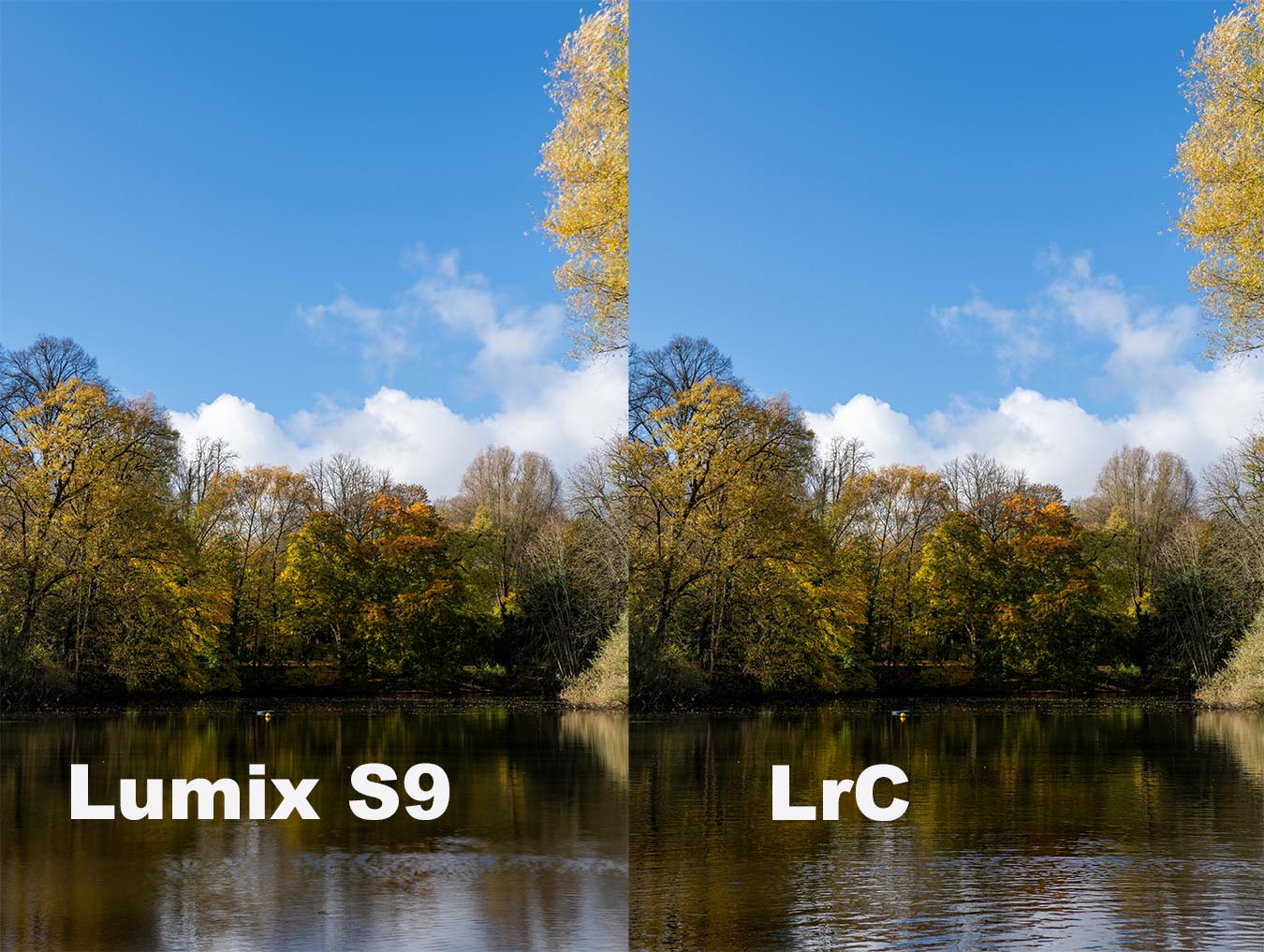
This week’s post was again about higher-resolution images. This time, however, we’re talking about images created directly in the camera. For example, it’s possible to create 96-megapixel images with the Lumix S9, which originally only has 24 megapixels. And with the S1R Mark II, we’re talking about images with a total resolution of 176 megapixels.
This is achieved by using the image stabilizer, which allows the sensor to move, to take multiple shots—usually eight—with a slight pixel shift, which are then combined internally by the camera. This works surprisingly well, and the resolution is also excellent.
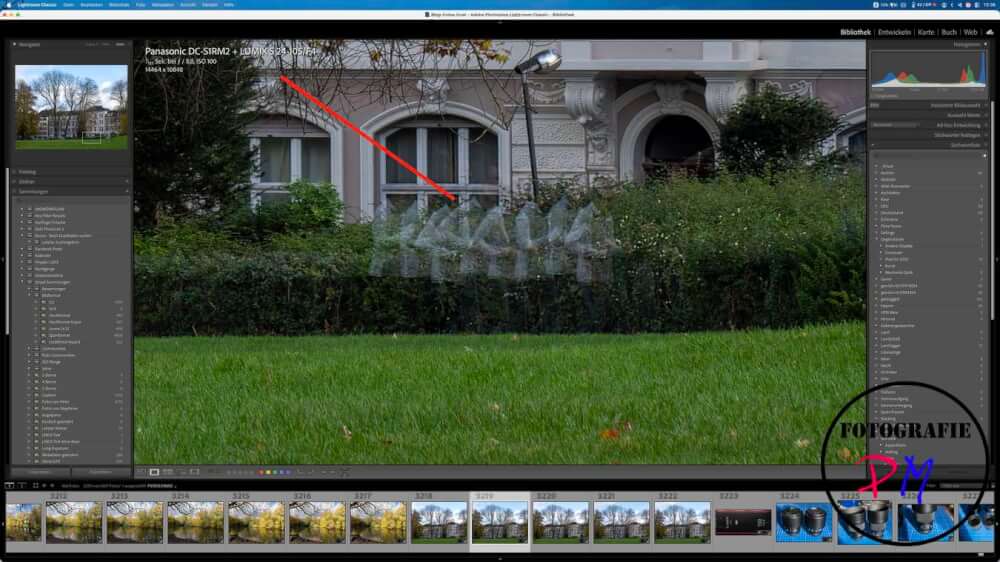
However, the problem here is that fast movements within this sequence can lead to ghosting. On the other hand, if you have static subjects where nothing is moving, this is certainly an adequate solution. One way to achieve a higher resolution is through upscaling. However, I would consider the option of upscaling an image afterward, for example in Lightroom Classic, to be significantly more flexible, because you usually don’t know when taking the picture whether it will be good enough or whether you’ll need such a high resolution for specific reasons, such as printing.
 There’s also news regarding photography using the DNG format. After more than 20 years, this format has been officially recognized as a standard by the ISO organization, meaning that this standard can now be implemented by recognized manufacturers. This hasn’t changed, however, as Adobe has always treated DNG as an open standard, allowing other camera manufacturers to use it, as has already been done by Leica, Ricoh, and Sigma.
Furthermore, we have some minor news from Canon: Canon has registered patents, at least initially, for three lenses for APS-C formats: 10, 12, 18, and 28 mm. Each with a uniform aperture of f/2.8. It will be interesting to see how these prime lenses, which should theoretically be relatively easy to correct with their maximum aperture of f/2.8, perform in practice.
 Then there’s apparently also news from Microsoft, as ComputerBase reports. Apparently, internal discussions are taking place at Microsoft, which, among other things, are suggesting the end of the account requirement for Windows 11. We’ll have to wait and see if and when the account requirement ends, as this is one of the most annoying problems when installing Windows 11. One can only hope that the number of Windows 11 users will also decline, and that Microsoft will decide to allow Windows 11 to be installed with a local account, as was previously the norm.

Then there’s also news from the USA, as reported by heise.de, namely that the FCC, the US telecommunications authority, is banning all routers that They can’t be manufactured in the USA, i.e., domestically. The problem is that practically all routers on the American market are manufactured in Asia, and even Netgear, one of the largest manufacturers still based in the USA, can’t meet this requirement because, of course, Netgear devices aren’t just assembled; the chips, for example, also come from Asia. It will be interesting to see how this develops in the future, whether this ban might have to be reversed at some point.
Oh, and don’t forget to adjust the clocks on your cameras to daylight saving time this weekend.
All in all, another very eventful week. I hope you enjoyed the articles and look forward to your questions and comments.
ciao tuxoche


